
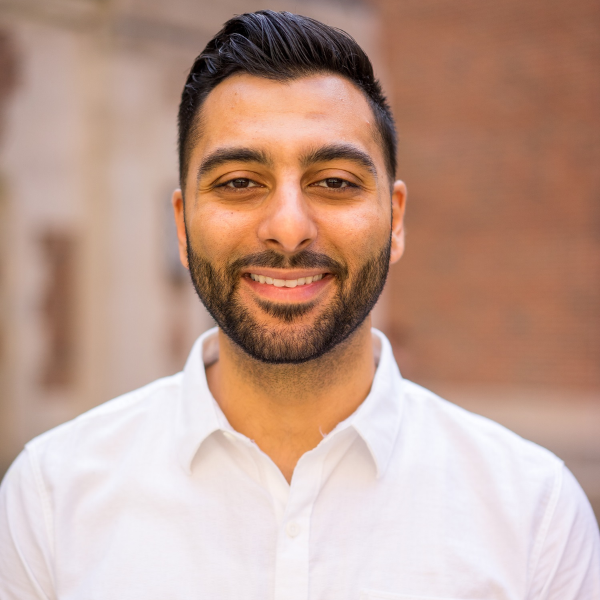
Powering the Future Through Storage
Omar Siddiqui on energy resilience, sustainable systems, and engineering for a changing world
By Elite 100 Editorial
“Energy isn’t just about generation anymore. It’s about control.”
— Omar Siddiqui
Elite 100: Omar, energy storage has become central to the global energy conversation. Why is it so critical right now?
Omar Siddiqui: Because generation alone doesn’t solve reliability. Renewable energy is powerful, but without effective storage, it remains inconsistent. Energy storage creates balance. It allows power to be available when it’s needed, not just when it’s produced.
Elite 100: What initially drew you to energy storage engineering?
Omar Siddiqui: Impact. Storage sits at the intersection of engineering, sustainability, and infrastructure. It’s where technical problem-solving directly affects how societies function. That responsibility is motivating.
“Storage turns potential energy into usable power.”
Elite 100: Many people think energy innovation is only about renewables. How do you explain the role of storage?
Omar Siddiqui: Renewables generate energy. Storage makes them dependable. Without storage, clean energy can’t scale effectively. It’s the backbone that allows sustainable systems to operate at real-world scale.
Elite 100: What are the biggest technical challenges in energy storage today?
Omar Siddiqui: Efficiency, lifespan, and scalability. Engineers must balance performance with cost and durability. Solutions that work in laboratories don’t always translate easily into infrastructure environments.
Elite 100: How do you approach innovation in a field with high safety and reliability demands?
Omar Siddiqui: Carefully. Innovation in energy systems must be disciplined. Testing, validation, and redundancy matter. Progress doesn’t come from rushing—it comes from precision.
“In energy systems, reliability is innovation.”
Elite 100: How does energy storage contribute to sustainability beyond emissions reduction?
Omar Siddiqui: It improves resilience. Storage supports grid stability, reduces waste, and allows communities to adapt to disruptions. Sustainability is as much about continuity as it is about cleanliness.
Elite 100: What role does policy play in advancing storage technologies?
Omar Siddiqui: A significant one. Policy influences adoption, investment, and infrastructure planning. Clear frameworks accelerate deployment, while uncertainty slows progress.
“Technology advances faster when policy provides clarity.”
Elite 100: How do you see energy storage evolving over the next decade?
Omar Siddiqui: Toward decentralization. Storage will increasingly support local grids, microgrids, and distributed systems. That shift improves resilience and reduces dependency on centralized infrastructure.
Elite 100: What advice would you give young engineers entering the energy space?
Omar Siddiqui: Learn systems thinking. Energy challenges aren’t isolated technical problems. They involve economics, policy, and human behavior. Engineers who understand the full picture create better solutions.
Elite 100: Final question—how do you personally define success as a young innovator?
Omar Siddiqui: Success is reliability at scale. When systems perform consistently, support sustainability, and earn public trust, engineering has fulfilled its purpose.
“True innovation is infrastructure people can rely on.”
Biography
Village Power
Contact Form